These ornaments are hand-chiseled from Urapán wood on an electric lathe, these classic wooden peg dolls are finished with USA-made non-toxic water-based paints. Each doll is unique and safe for little hands. The dolls were designed in a Brooklyn studio and made by artisans in Bogotá, Colombia. The carpenter used sustainably-harvested trees; one tree used, two were planted. Dolls stand around 3.5” tall and hangs from a beautiful ribbon. The four strong women are: Jane Goodall, Bessie Coleman, Rosie the Riveter, and the important Suffragette.
Dame Valerie Jane Morris Goodall Morris-Goodall (3 April 1934 – 1 October 2025) was an English primatologist and anthropologist. Regarded as a pioneer in primate ethology and described by many publications as "the world's preeminent chimpanzee expert", she was best known for more than six decades of field research on the social and family life of wild chimpanzees in the Kasalela chimpanzee community at Gombe Stream National Park in Tanzania.
Elizabeth Coleman was an early American civil aviator. She was the first African-American woman and first Native American to hold a pilot license, and is the earliest known Black person to earn an international pilot's license. She earned her license from the Fédération Aéronautique Internationale on June 15, 1921.
Rosie the Riveter is an allegorical cultural icon in the United States who represents the women who worked in the factories and shipyards during World War II, many of whom produced munitions and war supplies. These women sometimes took entirely new jobs replacing the male workers who joined the military.
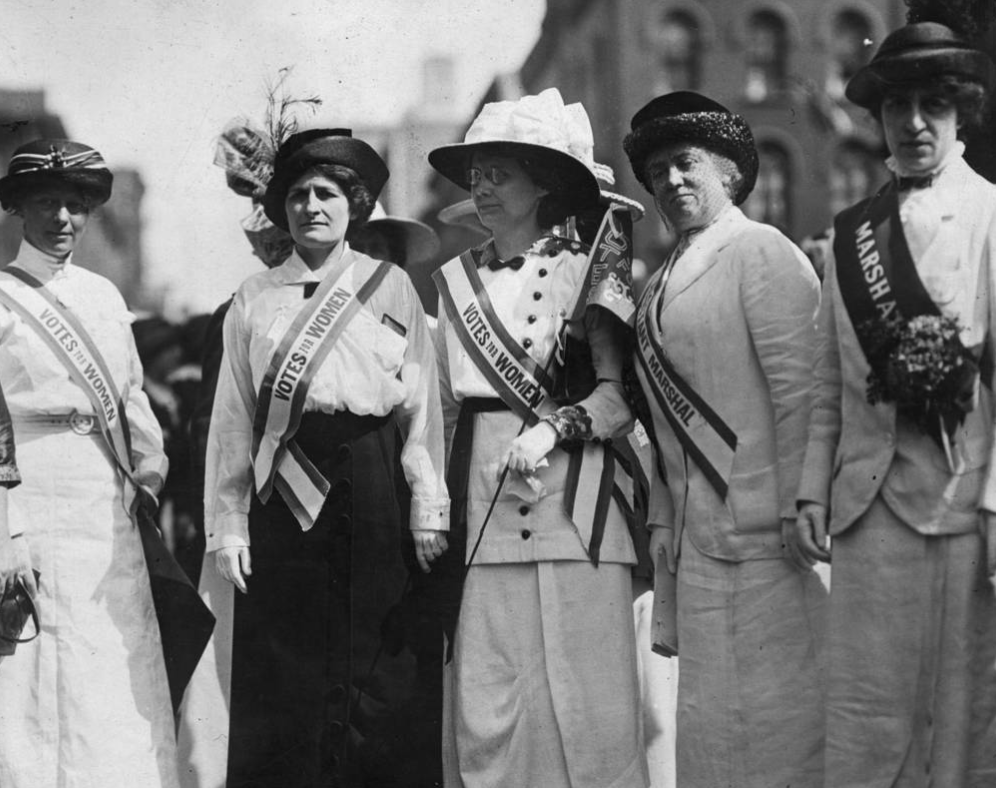
A suffragette was a 20th-century activist, primarily in the UK and USA, who used militant tactics, such as hunger strikes, arson, and property damage to demand women's right to vote. Originally a derogatory term coined in 1906 to belittle activists, they reclaimed it as a badge of honor under the slogan "deeds not words".